2026 Pathways to Adulthood: A Learning Conference on Transition
Saturday, January 24 | 8:45 am - 1:40 pm
Welcome, conference attendees - families, youth, and partners!
We are excited to have you learn with us as we explore topics around education and work, independent living, support services, money management, self-advocacy, and decision-making
Get Started:
Our Welcome Session will get you oriented.
The Zoom waiting room for our Welcome Session will open at 8:30 am.
The Welcome will begin promptly at 8:45 am. We will share instructions to join training sessions and provide information about language and accessibility options in Zoom.
Self-advocate Cainan Molzer will give keynote remarks around 9:00 am.
How to Get Help:
The Welcome Session link will stay open all day in case you need help. Staff will be on hand to answer questions about sessions, provide links, and problem-solve other needs.
At-A-Glance Conference Schedule
8:30 am: Welcome Session waiting room is open.
8:45 - 9:30 am: Welcome and Keynote with Cainan Molzer
9:40 - 10:30 am: Session 1 (click to see training offerings)
10:40 - 11:30 am: Session 2 offerings (click to see training offerings)
11:40 am - 12:30 pm: Session 3 offerings (click to see training offerings)
12:40 - 1: 30 pm: Session 4 offerings (click to see training offerings)
1:30 - 1:40: Back to Main Room for Brief Closing and Resource Sharing
What to Know:
Trainings are scheduled for 50-minute blocks, with 10-minute breaks between sessions.
4-5 trainings are offered per Session. Each has a unique Zoom link.
Offerings are listed below by time period. The At-A-Glance Schedule has shortcut links as well.
Once you find the training you want to attend, click the “Join” button.
Zoom will ask for your name and email address to let you in to each training.
Most trainings are in English with live Spanish interpretation. One training per session is directly in Spanish. To see the Spanish track, click here.
Session 1 Offerings (9:40 am - 10:30 am)
Session 2 Offerings (10:40 am - 11:30 am)
Session 3 Offerings (11:40 am - 12:30 pm)
Session 4 Offerings (12:40 pm - 1:30 pm)
Conference Presenters
-
![A woman with wavy silver hair]()
Karen Benson
Karen is the Health and Education Project Manager at Oregon Center for Children and Youth with Special Healthcare Needs (OCCYSHN)
Karen works to build partnerships with schools to support the health, development, and education of children and youth with special health needs. She spent over 20 years in the classroom working primarily in Special Education across the state of Oregon before transitioning to public health. She is passionate about creating systems that support the needs of all learners so children can thrive. Karen is also parenting three young adults that are learning how to navigate the health care system on their own.
-
![Person with glasses smiles in a black top]()
Emily (Em) Braman
Em is the Executive Director for The Arc Oregon and a dedicated parent of two adopted children with disabilities. She has over 20 years of experience in the field of Intellectual and Developmental Disabilities and is committed to helping families navigate the complexities of raising children with IDD.
Em has worked in varied roles including as a Services Coordinator, Foster Care Provider, and Inclusion Specialist with a park district, and as a professional guardian. Outside of work she enjoys reading, crochet, running, and camping. -
![A woman with dark wavy hair and glasses wears a white and black jacket]()
Ana Brooks
Ana es Compañera para Padres y Especialista de Alcance Comunitario y Talleres en el Centro de Información de Salud Familia a Familia de Oregón (Oregon Family to Family Health Information Center).
Es madre de dos niños que navegan por diferentes sistemas de salud. Ha formado parte de varios comités nacionales y estatales y es miembro actual del Comité de Acceso al Lenguaje de Family Voices. Cuenta con años de experiencia laboral en organizaciones que se centran en la defensa educativa. Defiende las necesidades médicas y educativas de los niños no nativos de habla inglesa y sus familias. Ana está comprometida con ayudar y apoyar a los padres de niños de CYSHCN compartiendo recursos y empoderándoles para que encuentren su voz de defensa.
-
![A woman with long brown hair and glasses]()
Molly Cermak
Molly is the Support Supervisor at FACT Oregon, overseeing FACT Oregon’s Support Line and providing direct support to families. Molly also serves as a trainer and works closely with community partners and educators to strengthen supports for families across Oregon. A graduate of Oregon Partners in Policymaking with extensive experience in family advocacy, Molly brings both professional expertise and lived insight into the challenges and triumphs of navigating special education and community resources. Her children are her passion and the “why” behind her work—fueling her commitment to empower and educate families and to partner with schools and communities because she believes we can only make meaningful change together. Molly is the parent of two young children who receive special education services, and a young adult with Down syndrome who graduated in 2020 with a Modified Diploma who would be in in his early 20's. Molly believes we share far more in common than what sets us apart—and that disability is a natural part of being human.
-
![a woman with long brown hair wears a green and white striped shirt]()
Tracy Clark
Tracy brings experience as a job developer and VR Counselor to her role as a Pre-ETS Coordinator. She is passionate about empowering youth to reach their goals. Working in collaboration with local educational agencies and community partners, she coordinates and creates the provision of Pre-Employment Transitions Services designed to be an early start at job exploration, building skills, confidence, and identifying career interests.
-
![woman with shoulder length hair smiles in front of a white background]()
Susan Collins
Susan brings experience as a classroom teacher, a small business owner, a transition specialist and volunteer work in youth development to her role as a Pre-Employment Transition Services Coordinator. She is passionate about helping students find their voice and create a path to a meaningful and productive future. Susan enjoys partnering with people and programs to work on common goals.
-
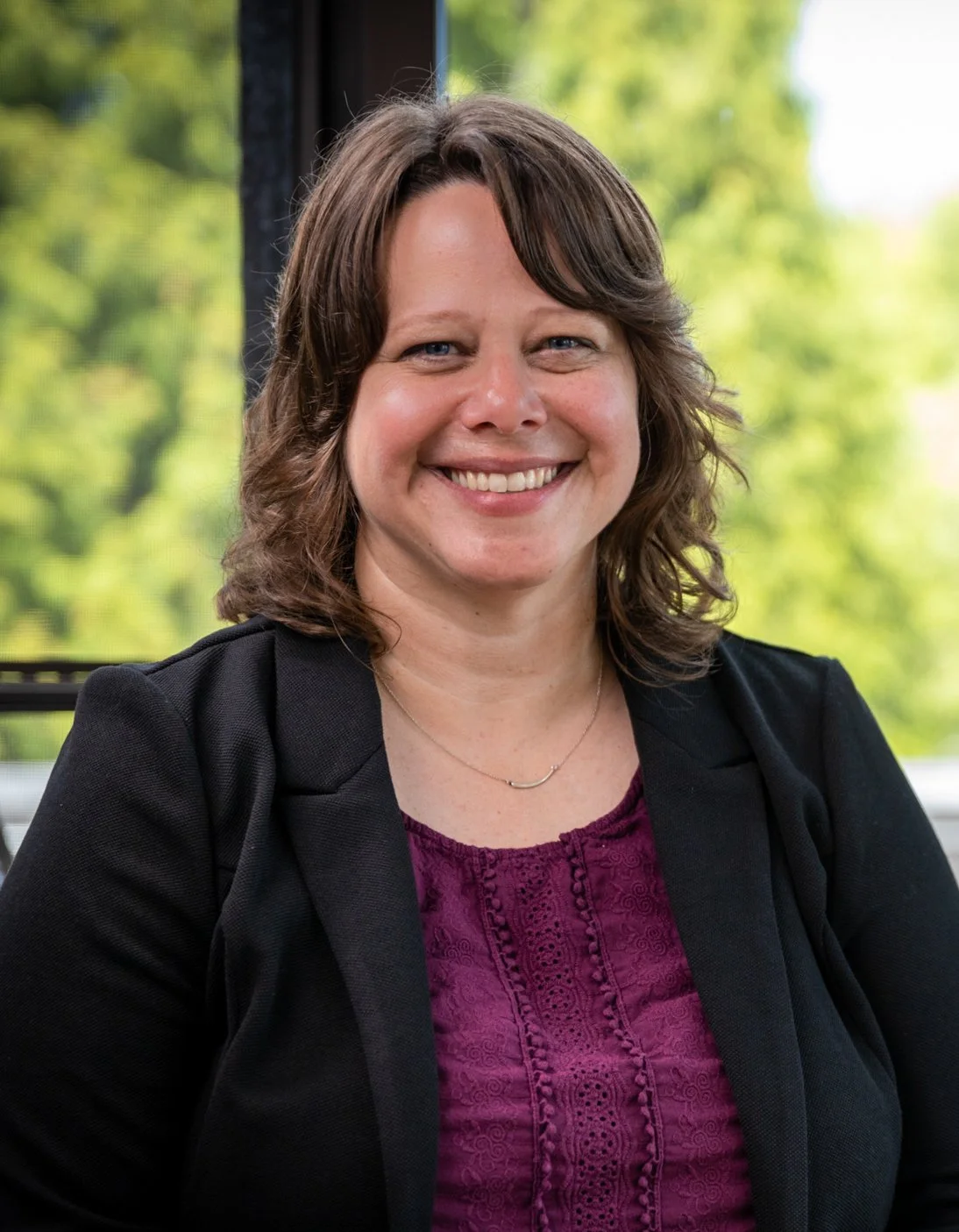
![woman in a blazer and maroon blouse smiles at camera]()
Jennifer (Jen) Knapp
Jen has 23 years of experience in the disability service field. She is currently the Executive Director at Community Vision, a disability provider agency in Portland, Oregon that is an industry leader in offering individualized in-home support, affordable housing, assistive technology, and employment services. In her role, she engages in state-wide advocacy and local community partnerships to support the inclusion of people with disabilities in all aspects of life. Jennifer has worked for Community Vision since 2016.
Jennifer received her Bachelor’s and Master’s degrees from the University of Illinois in Communication.
-
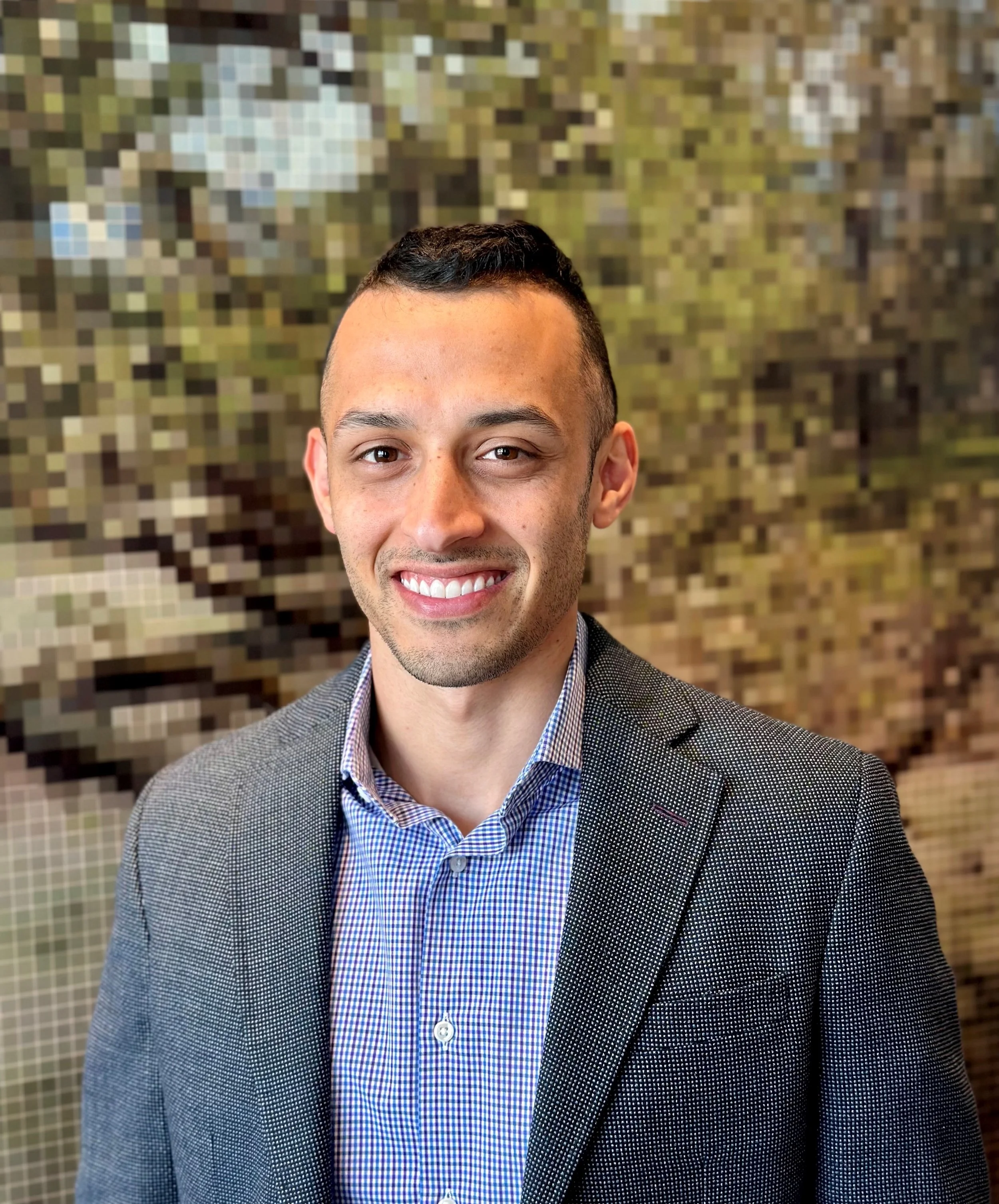
![A man with short dark hair wears a button-up shirt and blazer]()
Renzo Meza
As a proponent of financial education, Renzo enjoys helping families achieve financial wellness. At Oregon State Treasury, Renzo makes sure families know all about Oregon's leading savings plans including Embark, OregonSaves, and ABLE.
-
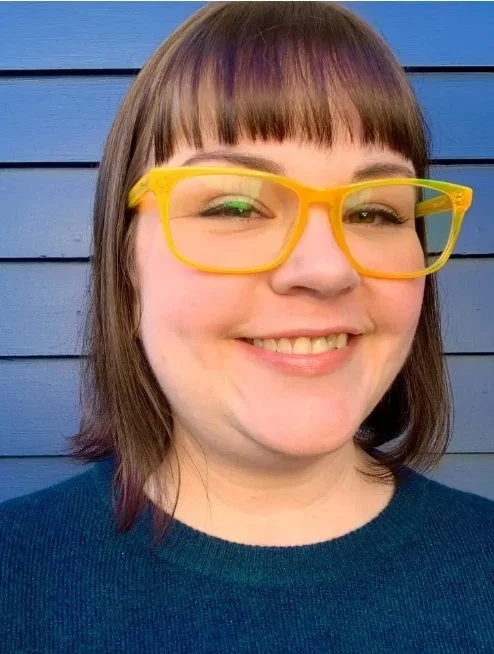
![woman with fun yellow glasses and brown hair smiles]()
Katie Rose
Katie fell in love with the intellectual and developmental disabilities community straight out of college when she took a job as a Direct Support Professional 23 years ago. Since that time, Katie has worked as a Personal Agent providing case management at a Brokerage, as a Brokerage Director, and has spent the last 10 years representing the 14 Support Service Brokerages across Oregon as the Executive Director of Oregon Community Brokerages. The role involves policy work and advocacy alongside colleagues with IDD. Our communities flourish when they include the contributions of everyone.
-
![a woman with black hair and glasses wears a pink shirt]()
Maria Rangel
Maria is one of the bilingual program specialists at FACT Oregon. She offers support, outreach, and training to families, drawing from her lived experience as a parent and advocate.
Maria is mother to three children, who constantly teach her through their growth. Her journey began when she became the mother of her first daughter, who experiences Down syndrome. She is passionate about sharing what she has learned and continues to learn every day, with other parents, so they can access information and make informed decisions within the various systems that support people with disabilities.
Her goal is for all individuals who experience a disability to have access to services, supports, and opportunities that allow them to achieve a full life.
For more than a decade, Maria has worked in different organizations, primarily supporting the Hispanic/Latino community. She is committed to ensuring that all families have the information in the language and format they need to make informed decisions. -
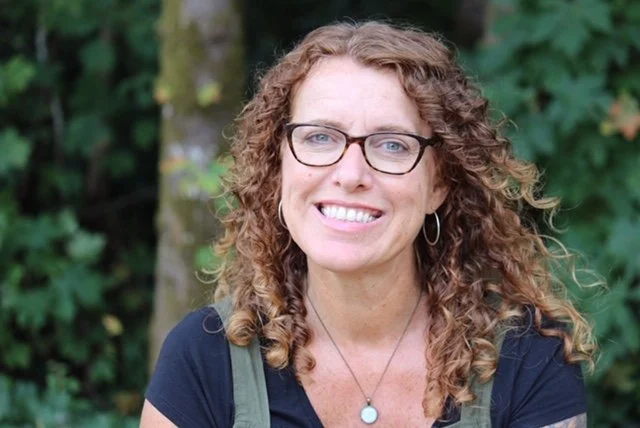
![woman with long curly red hair smiles in front of trees]()
Kriss Rita
Kriss is the Region 2 Transition Network Facilitator for Clackamas, Hood River, Wasco, Sherman, Gilliam, Marion, Polk, Yamhill and Tillamook counties with over 20 years of experience. This includes working as a Learning Specialist and Transition Coordinator for the Centennial School District serving students ages 16-21, organizing an international learning support program and teaching at The Green School of Bali, and teaching Interagency Collaboration and Person-Centered-Supports to upcoming special educators as an adjunct faculty member at Portland State University. She also holds a graduate certificate in Positive Psychology, a coaching certification, and a Love + Work Leadership certification, all of which fuel her passion to support students and teams to flourish.
-
![a man wears a dark collared short sleeve shirt and has hands tucked into front pant pockets.]()
Leslie (Les) Rogers
Les started in November 2022 as the Transition Network Facilitator helping students on IEP and 504 plans transition to adulthood for Douglas, Coos, and Curry Counties. Prior, Les worked as the Accessibility Services coordinator for Umpqua Community College overseeing ADA and 504 accommodations. Les has been the Director of a Student Support Services Federal TRIO grant and has taught several courses at Umpqua Community College. He has also worked as a junior high and high school teacher, as well as a football coach at an inclusion focused early college K-12 school in California. Les is a credentialed teacher in Oregon and California. He was appointed to the State Interagency Coordinating Council (0-5 Special Education Council and has been Vice Chair) and the Oregon Universal Health Care Task Force by Governor Brown. He also served as a board member of Cardio Facio Cutaneous Syndrome International and served on the Disability Services Advisory Council for his region. Les currently serves on his regional Coordinated Care Organization Medicaid Community Advisory Council. Les holds a B.A. in Economics and an M.P.A. from California State University, Stanislaus. Les is also a certified PATH Facilitator, Lifecourse Ambassador, PYD Disability Mentor, and ADA Coordinator through the University of Missouri. Additionally, Les is the parent of a daughter that experiences Cerebral Palsy and developmental disabilities. Les’ daughter receives services through Children’s Intensive In-Home Services. Les’ fun fact- He was one question away from getting on Jeopardy in college.
-
![W woman with curly blonde hair and a tan jacket]()
Sarah Statham
Sarah is a Transition Network Facilitator (TNF) in Multnomah, Washington, Columbia & Clatsop counties and part of the Transition Technical Assistance Network (TTAN). Her role is to support interagency collaboration between schools and community partners in order to strengthen post school outcomes for youth with disabilities. She holds her MEd in Secondary Special Education and has taught both 18-21 programming and high school levels. She was previously the Transition Coordinator at the Centennial Transition Center. She is an adjunct faculty member at Portland State University teaching Interagency Collaboration and Person-Centered-Supports. Sarah was part of the Seamless Transition Pilot Project with the state of Oregon and was awarded the Outstanding Transition Teacher of the Year in 2016 by OSTC. Sarah enjoys biking, reading as well as hiking and snowshoeing with her family and dog Sawyer.
-
![man in light blue collared shirt in front of a dark blue background]()
Craig Vattiat
Craig is a consumer education and engagement coordinator with the Oregon Division of Financial Regulation (DFR), the state regulator for the insurance and financial services industries. He works to promote the division’s consumer protection and financial education resources so that Oregon consumers can access the division’s consumer advocacy services and make more informed financial decisions. Before joining DFR, Craig taught personal finance classes at his alma mater, Oregon City High School. In his free time, he enjoys spending time with his family, birding, backpacking, and gardening.
-
![a woman with wavy brown hair and glasses wears a pink collared blouse.]()
Erlinda Weger
Erlinda es la Coordinadora de Servicios Bilingües para los Servicios de Discapacidad del Desarrollo del Condado de Jackson, donde ayuda a las familias a navegar el sistema de I/DD, acceder a recursos esenciales y construir conexiones significativas en la comunidad. Profesional bilingüe en educación especial con más de 20 años de experiencia, Erlinda ha apoyado a estudiantes neurodiversos y a sus familias en múltiples distritos escolares. Su experiencia incluye desarrollo curricular, prácticas informadas por el trauma, asesoramiento basado en la equidad, estrategias inclusivas en el aula y capacitación en habilidades vocacionales. También está capacitada en Comunicación Aumentativa y Alternativa (AAC) y ha guiado a estudiantes hacia el éxito mediante planes de aprendizaje individualizados y desarrollo socioemocional.
Como persona que aprendió inglés como segunda lengua, Erlinda brinda un conocimiento profundo de las dificultades que atraviesan las familias multilingüesy está comprometida con promover la equidad, la inclusión y la dignidad, no solo en la educación y el sistema de I/DD, sino en toda la comunidad.