Teaming and Collaboration | Trabajo en Equipo y la Colaboración ͏ ͏ ͏ ͏ ͏ ͏ ͏ ͏ ͏ ͏ ͏ ͏ ͏ ͏ ͏ ͏ ͏ ͏ ͏ ͏ ͏ ͏ ͏ ͏ ͏ ͏ ͏ ͏ ͏ ͏ ͏ ͏ ͏ ͏ ͏ ͏ ͏ ͏ ͏ ͏ ͏ ͏ ͏ ͏ ͏ ͏ ͏ ͏ ͏ ͏ ͏ ͏ ͏ ͏ ͏ ͏ ͏ ͏ ͏ ͏ ͏ ͏ ͏ ͏ ͏ ͏ ͏ ͏ ͏ ͏ ͏ ͏ ͏ ͏ ͏ ͏ ͏ ͏ ͏ ͏ ͏ ͏ ͏ ͏ ͏ ͏ ͏ ͏ ͏ ͏ ͏ ͏ ͏ ͏ ͏ ͏ ͏ ͏ ͏ ͏ ͏ ͏ ͏ ͏ ͏ ͏ ͏ ͏ ͏ ͏ ͏ ͏ ͏ ͏ ͏ ͏ ͏ ͏ ͏ ͏ ͏ ͏ ͏ ͏ ͏ ͏ ͏ ͏ ͏ ͏ ͏ ͏ ͏ ͏ ͏ ͏ ͏ ͏ ͏ ͏ ͏ ͏ ͏ ͏ ͏ ͏ ͏ ͏ ͏ ͏ ͏ ͏ ͏ ͏ ͏ ͏ ͏ ͏ ͏ ͏ ͏ ͏ ͏ ͏ ͏ ͏ ͏ ͏ ͏ ͏ ͏ ͏ ͏ ͏ ͏ ͏ ͏ ͏ ͏ ͏ ͏ ͏ ͏ ͏ ͏ ͏ ͏ ͏ ͏ ͏ ͏ ͏ ͏ ͏ ͏ ͏ ͏ ͏ ͏ ͏ ͏ ͏ ͏ ͏ ͏ ͏ ͏ ͏ ͏ ͏ ͏ ͏ ͏ ͏ ͏ ͏ ͏ ͏ ͏ ͏ ͏ ͏ ͏ ͏ ͏ ͏ ͏ ͏ ͏ ͏ ͏ ͏ ͏ ͏ ͏ ͏ ͏ ͏ ͏ ͏ ͏ ͏ ͏ ͏ ͏ ͏ ͏ ͏ ͏ ͏ ͏ ͏ ͏ ͏ ͏

View in Browser

Ver en español | Read Online | Is Our E-News Useful?

A woman with shoulder length straight red hair kisses the brow of a young child she holds in her arms.

EARLY CHILDHOOD QUARTERLY
May 2026

Hello families, friends, and partners,

This quarter’s newsletter focuses on Teaming and Collaboration.

Both the newly-released 2026 Oregon Inclusive Education Initiative (OECI) Impact Report and our NEW! Inclusive Education Toolkit highlight the importance of centering families as we create and support early learning opportunities that include all kids.

And families want to be involved. Some of you may have participated in our early childhood assessment recently. Read on for more about this ongoing project, which centers families’ experiences.

We’re also sharing ECTA Practice Guides for Families and an opportunity to weigh in on early childhood advocacy issues. These resources support you as a family to work with your child’s team and help be their voice!

In partnership,

Heather Olivier
Deputy Director, FACT Oregon
aRPy Ambassador

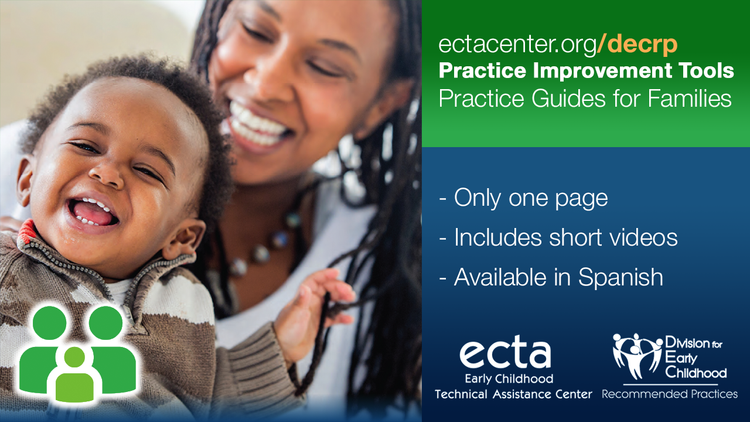
ECTA Practice Guides for Families

Smiling mother holding a laughing baby.

The following practice guides for families support Teaming and Collaboration.

Practice Guide: Working with Your Child’s Team

As a member of your child's team, you may connect with other members through written or oral communication, face-to-face meetings, at home visits, and/or at your child’s annual IFSP or IEP review.

Expressing yourself as clearly as you can will help everyone understand one another and move forward together. The practice guide below includes tips for effective communication.

  • PDF (English)

  • PDF (Español)

Practice Guide: Sharing What You Know

Working with providers also presents many opportunities for you to share your child's likes, interests, and challenges.

You know your child best! Describe what you have done to help them learn and grow. Explain what you would like help with now. Other team members are eager to know what works for your child and to get ideas of strategies to try.

  • PDF (English)

  • PDF (Español)

NEW! Inclusive Education Toolkit

Cover image of a toolkit showing two young children on a couch decorative

We are excited to release a brand-new resource for families of young children with disabilities. Our Inclusive Education Toolkit will help you understand your child’s educational rights and how to work with preschools, childcare programs, and school districts.

  • PDF (English) | PDF (Español)

  • Accessible Word Doc | Documento de Word accesible

And check out our Early Childhood Resources page for other curated resources!

FACT’s Early Childhood Services Community Assessment

Student intern Ashley Daniels (MSW ’26) is helping FACT learn from Oregon families of children ages 8 and under who receive early intervention or special education services. We’re asking families what "adequate" services look like, what's working for them, how and where their children receive services, and what additional supports they need.

Why Are We Doing This Assessment:

  • In 2025, Oregon passed House Bill 2682.

  • It directs the Oregon Department of Education to review and update Adequate Service Levels (ASLs).

  • ASLs guide funding for Early Intervention and Early Childhood Special Education (ECSE).

  • Families of young children call FACT Oregon because they don’t understand their child’s services or options.

Our Progress:

  • Families gave feedback on service quality, provider communication, family involvement, classroom settings, and kindergarten transitions.

  • Families define "adequate" as more than just the number of services — they want their child to be respected, included, supported, and safe.

Next Steps:

  • We are conducting interviews to better understand family experiences in preschools and specialized ECSE classrooms and during the transition to kindergarten.

  • Assessment findings will inform how FACT supports families, support OECI partners to understand family perspectives, and ensure family voices shape decisions about early childhood services and funding.

 READ THE PROGRESS REPORT 

2026 OECI Impact Report

Oregon's early learning system works best when all children feel included and welcomed, and when families are part of the process.

The Oregon Early Childhood Inclusion Initiative (OECI) shows that when agencies and communities work together, Oregon can help more children learn side by side — improving experiences for kids, families, and teachers alike.

Here are some highlights from the 2026 OECI Impact Report:

  • 56.6% of Oregon preschoolers with disabilities now learn in inclusive environments.

  • Efforts to grow inclusive practices are underway in 8 communities across 19 counties through OECI!

  • Thousands of early childhood providers have received training around inclusive practices.

  • Families appreciate having more choices for their kids and are excited to be involved in community preschools and other early learning environments.

 READ THE 2026 OECI IMPACT REPORT 

Your Voice Matters: Take the Children’s Institute Survey!


Children’s Institute is gathering input to help shape a strong, grounded advocacy effort focused on young children and the systems that support them.

They are especially interested in learning:

  • what is working well;

  • what supports are working but feel fragile;

  • what challenges or gaps feel most pressing;

  • which children, families, or communities are most likely to be overlooked;

  • what efforts we should learn from rather than duplicate; and

  • what ideas or priorities should be explored further through this project.

Survey respondents will receive a summary of the themes that surface and information about next steps.

Please take the survey by Friday, May 15:

  • Survey in English

  • Survey in Spanish


Is Our E-News Useful?


Website | Donate | Get Support | Resources

2475 SE Ladd Ave. Suite 430, Portland, OR 97214, USA

FACT Oregon

Unsubscribe